
Let's name what happened
Years without pleasure isn't laziness or low libido. It's a shutdown. Your body learned to protect itself by going quiet. Maybe it was stress, grief, a long period of unsatisfying sex, health issues, or just the slow erosion of desire over time. The reason doesn't matter as much as this: your nervous system did exactly what it was designed to do. It put pleasure on hold.
The good news? Sensation doesn't disappear. It hibernates. And clitoral vibrators, especially tools like the lemon vibrator designed for external stimulation, can help wake it back up without shame or pressure.
Why sensation goes dormant
Sexual desire and pleasure aren't separate from the rest of your nervous system. They're deeply connected to stress levels, emotional safety, relationship dynamics, and how much mental space you have available. When any of those systems are in overdrive or breakdown, pleasure is often the first thing that gets sidelined.
Years of unsatisfying partnered sex teach your body that arousal won't lead anywhere good, so the nervous system stops bothering to ramp up. Unresolved health issues, unprocessed trauma, or chronic stress send your body into a sympathetic state (fight, flight, freeze), and pleasure requires parasympathetic activation (rest, safety, ease). A clitoral vibrator can't fix all of that. But it can create a small pocket of permission to explore sensation again, without the pressure of partnered performance or the expectation of "normal" arousal.
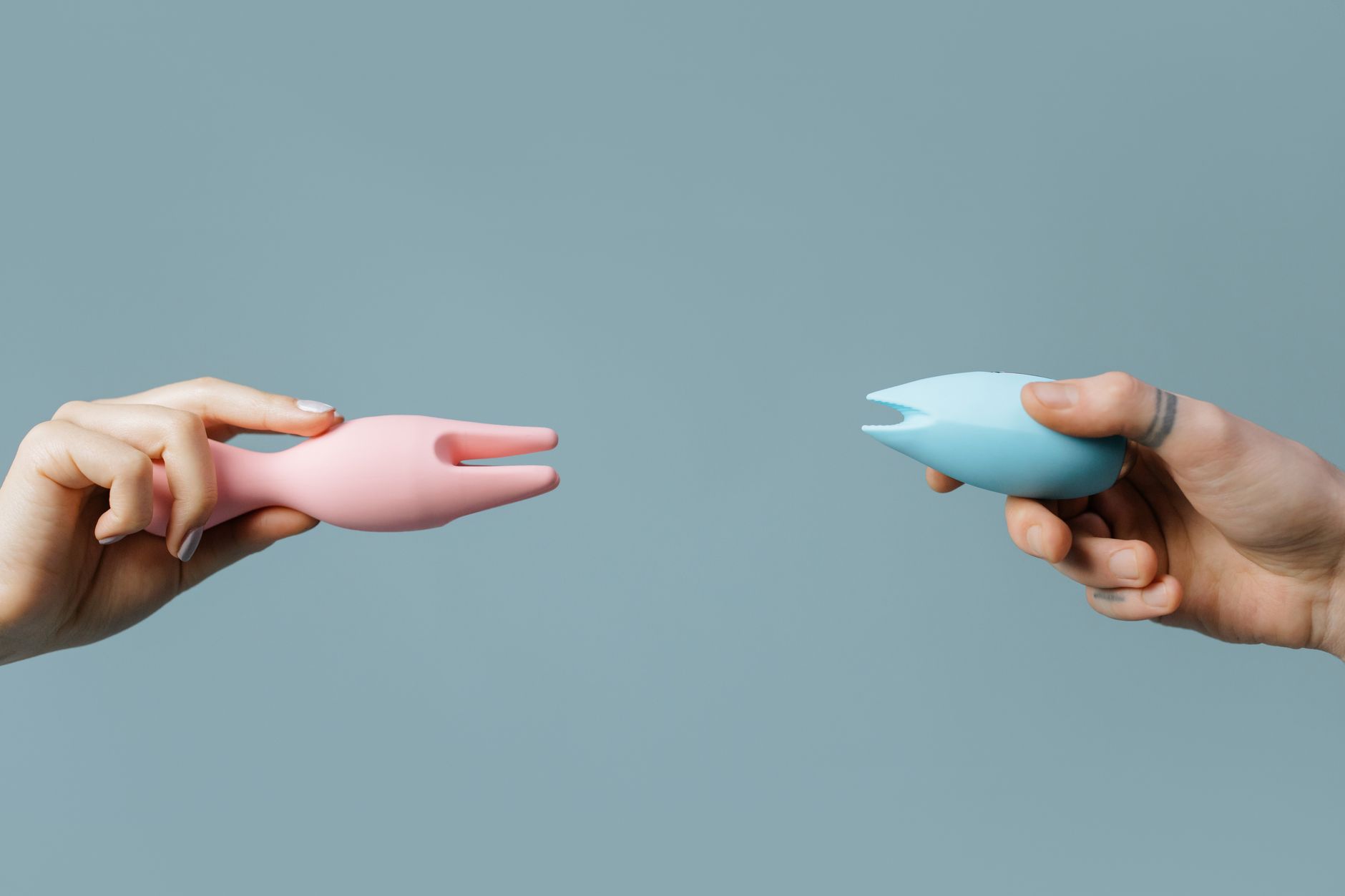
Photo by cottonbro studio on Pexels
Starting from numbness
Honestly, the first few sessions with a vibrator might not feel like much. That's normal. If your nervous system has been in protection mode, it takes time to signal safety back online.
Here's what I recommend:
Pick a time when you're not performance-focused. This isn't "okay, let's have an orgasm now." This is "I'm going to spend 15 minutes exploring what sensation feels like." Huge difference. Remove the finish line entirely.
Start clothed. That sounds counterintuitive, but numbness often comes with vulnerability resistance. Use the vibrator over underwear, over pants even. Let your body slowly adjust to the sensation without the exposed-ness that can trigger the nervous system to contract again.
Choose air-pulse over vibration if you're starting from deep numbness. The lemon clitoral vibrator uses gentle suction rather than buzzing. For people whose sensation has been dormant, the suction pattern often feels less jarring and more gradually building. It's more like a slow conversation than a sudden wake-up call.
Go slow with intensity. Start at level 1 or 2. Your sensitivity will rebuild gradually. Pushing too hard too fast can feel overwhelming and send your body back into shutdown.
Building the safety foundation
You can't think your way into pleasure. But you can create conditions where pleasure becomes possible. That means:
Privacy without rushing. A locked door. Phone off. At least 20 minutes with zero interruptions. Your nervous system needs to know this is genuinely safe time.
Temperature and comfort. Cold feet, uncomfortable position, scratchy fabric. These tiny discomforts keep your nervous system at low-level alert. Warm blankets, comfortable positioning, soft textures. Sound boring? It's actually foundational.
Breathing. Holding your breath is a tension response. As you explore with the vibrator, deliberately slow your breathing. Inhale for four counts, exhale for six. This directly signals your nervous system toward parasympathetic activation, which is where pleasure lives.
Touch beyond the vibrator. Use your other hand on your belly, your inner thigh, your breasts. Full-body sensation wakes up pleasure differently than isolated clitoral stimulation. The vibrator is part of the conversation, not the whole thing.
What rebuilding actually looks like
Week one might feel like nothing. Week two, maybe a small flutter. Week three, you notice the vibrator feels different against you. This is progress. You're not "broken" if orgasm doesn't return in two sessions. You're rebuilding a conversation between your brain and your body that may have been silent for years.
Some people experience sensation returning before desire returns. Others feel desire first. There's no correct order. What matters is patience with yourself.
One shift that matters: moving from "Does this feel good?" (judgment mode) to "What does this feel like?" (observation mode). Numbness often comes with self-criticism. That critical voice needs to be gently set aside. Curiosity, not judgment.
The role of partner context
If you're partnered, this solo exploration is still private time. You're not obligated to bring the vibrator into partnered sex immediately or ever. Some people want to integrate it; others use it as separate pleasure. Both are valid.
If your partner has contributed to the numbness (through pressuring sex, dismissing your needs, or their own disconnection), that's a different conversation entirely. You might benefit from working with a relationship therapist before or alongside pleasure recovery. The vibrator can help you reconnect with yourself, but it can't fix relationship ruptures.
When progress stalls
If you're six weeks in and still feeling completely numb, that's worth exploring with a healthcare provider. Sometimes numbness has a physical component: hormonal shifts, medication side effects, or nerve-related issues that need professional attention.
Other times, the emotional weight is heavier than solo exploration can carry. Working with a therapist on the disconnect can unlock things that a vibrator alone can't.
The lemon vibrator is a tool, not a cure. It's permission and support for your nervous system to remember that pleasure is possible. But it works best alongside the other work: stress reduction, relationship health, professional support when needed, and radical patience with yourself.
Creating momentum
As sensation starts to return, you might feel a small urge to amp up. Don't. Instead, stay with what feels good. If level 2 air-pulse for 10 minutes feels genuinely pleasurable, do that for two weeks. Your body learns to trust pleasure when pleasure is consistent and unhurried.
Some people find that consistency matters more than duration. Five minutes daily feels better than one long session weekly. Others prefer longer, less frequent exploration. Notice what builds momentum for you specifically, not what should theoretically work.
FAQ
How long does it take to feel pleasure again after years of numbness?
It varies wildly. Some people feel the first flutter of sensation within two weeks. Others take two months or longer. Your timeline depends on how long sensation was dormant, what caused it, how much stress you're currently under, and your nervous system's overall health. Patience isn't just kind—it's actually faster. Pushing yourself into pleasure backfires and extends the timeline.
Should I try to orgasm or just explore sensation?
Just explore sensation for now. Orgasm as a goal reintroduces the same performance pressure that may have contributed to the shutdown in the first place. When you remove the expectation of climax, pleasure often returns more naturally. Orgasm will follow if and when your body is ready.
Is it normal to feel emotional or cry during pleasure recovery?
Completely normal. Pleasure returning can bring up grief about lost time, anger about what caused the shutdown, or just the release of being held in tension for so long. These emotions are part of the healing. Don't fight them. If they're overwhelming, pause and return another day.
Can a partner help with pleasure recovery or should it be solo?
Solo exploration is the safest place to start. It removes performance pressure and lets you reconnect with your own body without anyone else's needs in the room. Once sensation is returning and you feel ready, partnered exploration is possible. But it's optional, not required. Many people find solo pleasure recovery deeply healing on its own.
Why does the lemon clitoral vibrator work better than other toys for rebuilding sensation?
The air-pulse technology is gentler and more gradually building than traditional vibration. For people returning from numbness, this pattern often feels less shocking and more naturally stimulating. It creates sustained gentle pressure rather than a buzzing sensation that can feel overwhelming. That said, every body is different. Some people prefer gentle vibration. The key is starting with lower intensity and building slowly, whatever tool you choose.
What if nothing feels good yet?
That's okay. Your nervous system is protecting you, and it needs more time or different conditions. Before assuming the vibrator isn't working, check: Are you genuinely relaxed or just lying there trying? Is there actual privacy? Are you breathing or holding your breath? Is your mind quiet or racing? Small adjustments to these conditions often matter more than the tool itself. If true numbness persists for months despite safety and consistency, professional support is worth exploring.
Your pleasure matters
Rebuilding sensation after years of shutdown takes patience, self-compassion, and permission to move slowly. The lemon vibrator can support that journey, but the real work is in your nervous system learning that pleasure is safe again. If you need support beyond what this guide offers, reach out. You're not broken, and pleasure isn't too far away.